
Understanding the Government's Warm Homes Plan - what it means for approved centres
03 Feb 2026
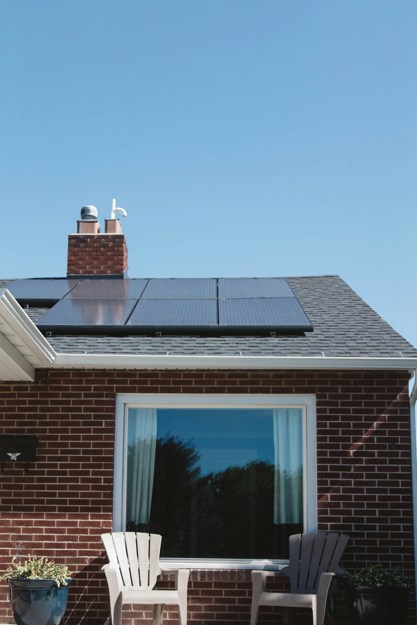
The UK Government published its long-term Warm Homes Plan, a £15 billion programme designed to support energy bill reduction, tackle fuel poverty and accelerate the adoption of low-carbon home technologies like solar panels, heat pumps and batteries.
The plan represents the largest home upgrade initiative in UK history, with a goal to upgrade five million homes and lift up to one million households out of fuel poverty by 2030. It combines targeted support for low-income households with universal offers for all homeowners who want to invest in cleaner, more efficient technologies.
Here’s a breakdown of the key elements of the Warm Homes Plan and why it’s significant for the building services and renewables sectors - and in particular, LCL Awards approved centres.
What the Warm Homes Plan set out to do
1. Support comprehensive home upgrades
The plan will help make homes warmer, cheaper to run and more energy efficient by funding or subsiding upgrades such as:
-
Solar photovoltaic (PV) systems to generate clean electricity
-
Home battery storage to maximise self-generate energy use
-
Low-Carbon heating systems, including heat pumps
-
Insulation and other efficiency measures to cut heat loss and bills
These measures are intended to cut energy costs and lower household bills for families long-term, while reducing reliance on fossil fuels.
2. Provide financial support
The plan includes:
-
Free or fully funded upgrades for eligible low-income households
-
Government-backed zero and low-interest loans for homeowners to install solar panels, batteries and heat pumps
-
Grants to make certain technologies more affordable for a wider range of households
By removing cost barriers, the Plan aims to accelerate mass adoption of clean energy technologies across the UK.
3. Drive market demand
Alongside direct funding, the Plan introduces measures such as new building standards - including solar panels becoming standard on new homes - and the establishment of a Warm Homes Agency (WHA) to coordinate, oversee and accelerate the delivery of home energy efficiency upgrades and clean technologies.
These moves aim to improve consumer confidence and create a sustainable pipeline of work for installers and training providers.
Why this is good news for the industry
The Warm Homes Plan signals significant long-term investment in clean tech installation and retrofit, creating demand for skilled professionals capable of delivering high-quality installations of solar PV, heat pumps, batteries and related systems.
This is a positive development for LCL Awards-approved training centres looking to expand or improve their low-carbon and renewables training programmes, and for installers and engineers aiming to upskill or diversify into higher-demand technologies. These developments also provide clear pathways for new entrants and career changers seeking roles into building services and net-zero tech.
LCL Awards qualifications ready to support the plan
LCL Awards has a strong portfolio of renewable energy and low-carbon qualifications that align directly with the technologies and skills needed to deliver the Warm Homes Plan.
These include:
Solar PV
-
Level 3 Award in the Installation and Maintenance of Small-Scale Solar Photovoltaic Systems - equips learners with the skills to safely install and maintain residential solar PV systems, supporting the Plan’s focus on rooftop renewables.
Heat pumps
-
Level 3 Award in the Installation and Maintenance of Heat Pumps Systems (Non-Refrigerant Circuits) - provides essential competency for installation and maintaining heat pumps systems, a key element of low-carbon heating upgrades.
Battery storage
-
Level 3 Award in the Design, Installation and Commissioning of Electrical Energy Storage Systems - addresses the growing need for skilled professionals to install and commission home battery storage systems that store clean energy
Beyond these, others relevant LCL Awards qualifications include training in:
Supporting centres and installers
For LCL Awards approved centres, the Warm Homes Plan reinforces the value of offering industry-relevant renewables qualifications, positioning centres to meet future training demand. It also underpins the importance of maintaining high quality and competence as technologies evolve.
For installers and learners, now is an opportune moment to consider upskilling or diversifying into solar, heat pump and battery installation - areas where demand is set to grow significantly as the Plan is implemented.
Looking ahead
The Warm Homes Plan represents a major push by the Government to decarbonise the UK’s building stock and make clean energy more accessible to families. For training providers, centres and installers aligned with these technologies, it presents new opportunities to grow, adapt and play a leading role in the energy transition.
The UK Government published its long-term Warm Homes Plan, a £15 billion programme designed to support energy bill reduction, tackle fuel poverty and accelerate the adoption of low-carbon home technologies like solar panels, heat pumps and batteries.
The plan represents the largest home upgrade initiative in UK history, with a goal to upgrade five million homes and lift up to one million households out of fuel poverty by 2030. It combines targeted support for low-income households with universal offers for all homeowners who want to invest in cleaner, more efficient technologies.
Here’s a breakdown of the key elements of the Warm Homes Plan and why it’s significant for the building services and renewables sectors - and in particular, LCL Awards approved centres.
What the Warm Homes Plan set out to do
1. Support comprehensive home upgrades
The plan will help make homes warmer, cheaper to run and more energy efficient by funding or subsiding upgrades such as:
-
Solar photovoltaic (PV) systems to generate clean electricity
-
Home battery storage to maximise self-generate energy use
-
Low-Carbon heating systems, including heat pumps
-
Insulation and other efficiency measures to cut heat loss and bills
These measures are intended to cut energy costs and lower household bills for families long-term, while reducing reliance on fossil fuels.
2. Provide financial support
The plan includes:
-
Free or fully funded upgrades for eligible low-income households
-
Government-backed zero and low-interest loans for homeowners to install solar panels, batteries and heat pumps
-
Grants to make certain technologies more affordable for a wider range of households
By removing cost barriers, the Plan aims to accelerate mass adoption of clean energy technologies across the UK.
3. Drive market demand
Alongside direct funding, the Plan introduces measures such as new building standards - including solar panels becoming standard on new homes - and the establishment of a Warm Homes Agency (WHA) to coordinate, oversee and accelerate the delivery of home energy efficiency upgrades and clean technologies.
These moves aim to improve consumer confidence and create a sustainable pipeline of work for installers and training providers.
Why this is good news for the industry
The Warm Homes Plan signals significant long-term investment in clean tech installation and retrofit, creating demand for skilled professionals capable of delivering high-quality installations of solar PV, heat pumps, batteries and related systems.
This is a positive development for LCL Awards-approved training centres looking to expand or improve their low-carbon and renewables training programmes, and for installers and engineers aiming to upskill or diversify into higher-demand technologies. These developments also provide clear pathways for new entrants and career changers seeking roles into building services and net-zero tech.
LCL Awards qualifications ready to support the plan
LCL Awards has a strong portfolio of renewable energy and low-carbon qualifications that align directly with the technologies and skills needed to deliver the Warm Homes Plan.
These include:
Solar PV
-
Level 3 Award in the Installation and Maintenance of Small-Scale Solar Photovoltaic Systems - equips learners with the skills to safely install and maintain residential solar PV systems, supporting the Plan’s focus on rooftop renewables.
Heat pumps
-
Level 3 Award in the Installation and Maintenance of Heat Pumps Systems (Non-Refrigerant Circuits) - provides essential competency for installation and maintaining heat pumps systems, a key element of low-carbon heating upgrades.
Battery storage
-
Level 3 Award in the Design, Installation and Commissioning of Electrical Energy Storage Systems - addresses the growing need for skilled professionals to install and commission home battery storage systems that store clean energy
Beyond these, others relevant LCL Awards qualifications include training in:
Supporting centres and installers
For LCL Awards approved centres, the Warm Homes Plan reinforces the value of offering industry-relevant renewables qualifications, positioning centres to meet future training demand. It also underpins the importance of maintaining high quality and competence as technologies evolve.
For installers and learners, now is an opportune moment to consider upskilling or diversifying into solar, heat pump and battery installation - areas where demand is set to grow significantly as the Plan is implemented.
Looking ahead
The Warm Homes Plan represents a major push by the Government to decarbonise the UK’s building stock and make clean energy more accessible to families. For training providers, centres and installers aligned with these technologies, it presents new opportunities to grow, adapt and play a leading role in the energy transition.