
CIBSE Domestic Heating Design Guide (2026): a cornerstone for quality, consistency and competence
14 May 2026
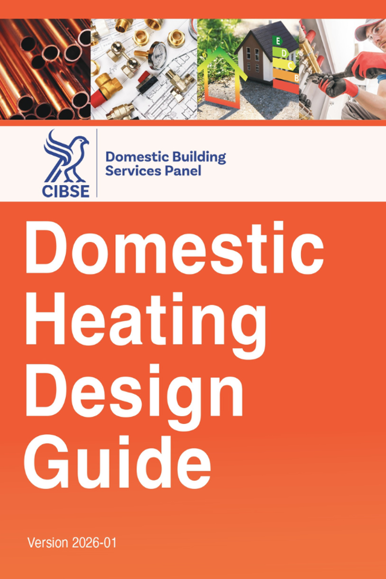
The 11th edition of the CIBSE Domestic Heating Design Guide represents a significant update for the heating sector. Produced by Chartered Institution of Building Services Engineers (CIBSE), with input from across the sector (including LCL Awards), it remains one of the UK’s most trusted and widely used references for domestic heating system design.
For installers, designers, consultants and those involved in training, the latest edition brings together best practice, developing standards and practical design advice into one coherent, easy-to-use publication, providing the latest information on domestic low-carbon heating and hot water system design.
Why this update matters
Domestic heating design has changed rapidly in recent years, driven by updated decarbonisation targets, regulatory expectations and new technologies. The challenge for the industry has been keeping pace while maintaining consistency and quality.
The updated guide addresses this issue directly by bringing together:
● Core design principles
● Regulatory alignment
● Low-temperature system design approaches
● Integration of modern heating technologies
Rather than requiring professionals to piece together information from multiple sources, the guide aims to provide a cohesive, authoritative framework for good design practice.
For those delivering or undertaking training, this level of consolidation is particularly valuable. At LCL Awards, the guide continues to underpin several courses, ensuring that learners are aligned with industry-recognised standards from the outset.
What’s new in the updated guide?
The document provides detailed technical depth, delivered in a user-friendly way. Here are the key highlights:
1. Greater focus on low-temperature heating systems
The transition to low-temperature systems is central to the UK’s net zero ambitions. The updated guide places stronger emphasis on designing systems that operate efficiently at lower flow temperatures - critical for technologies such as heat pumps. This includes clearer guidance on emitter sizing, system balancing and ensuring properties are suitable for low-temperature operation.
2. Improved fabric-first integration
Recognising that system performance starts with the building itself, the guide reinforces a fabric-first approach. Heat loss calculations, insulation considerations and airtightness are all given greater prominence to ensure systems are designed appropriately for the dwelling.
3. Alignment with current standards and policy
The 2026 edition reflects the latest regulatory landscape and industry standards, helping designers stay compliant while adopting best practice. This is particularly important as requirements continue to evolve in response to decarbonisation goals.
4. Practical design guidance for installers
CIBSE has continued its focus on usability, ensuring the guide remains both practical and technical. The inclusion of worked examples, clearer methodologies, and real-world applications makes it a valuable tool not just for consultants but also for installers actively involved in system design.
5. Integration of heating and hot water design
The guide strengthens the link between space heating and domestic hot water system design, reflecting the need for a more holistic approach in modern dwellings.
Supporting training and competence
For training providers and centres, the importance of a consistent, industry-backed reference cannot be overstated. The CIBSE Domestic Heating Design Guide plays a key role in shaping the content of courses such as Domestic Heating and Hot Water System Design in Dwellings. By aligning learning outcomes with this guidance, training ensures that candidates are not only qualified, but also capable of applying best practice in real-world scenarios.
This alignment is essential as the industry moves towards higher expectations around competence, particularly in the context of low-carbon technologies.
Join the conversation at the LCL Awards Annual Forum
To explore these updates in more detail, we’re bringing the conversation to this year’s LCL Annual Forum.
Heating Design with CIBSE
Speakers:
● Steve Mulvany - LCL Awards Operations Manager
● Ahmed Hegazi - Head of Knowledge/Digital from CIBSE
● Dr Jaydeep Bhadra - Domestic Sector Technical Manager from CIBSE
This session will provide valuable insight into best practice in domestic heating design, showcasing the Domestic Heating and Hot Water System Design in Dwellings course and offering a closer look at the updates in the 2026 guide.
The Annual Forum gives LCL Awards-approved centres a valuable opportunity to explore the latest thinking in domestic heating design and hear directly from those shaping industry guidance.
If you are interested in attending, you can register for the Forum here.
A guide every designer should own
The CIBSE Domestic Heating Design Guide is a cornerstone document. By collating essential knowledge into a single comprehensive document, it aims to support better design, more consistent outcomes, and higher standards across the industry.
Whether you’re an experienced designer or an installer looking to expand your expertise, this resource should be within easy reach.
The guide is available to purchase and download here.
The 11th edition of the CIBSE Domestic Heating Design Guide represents a significant update for the heating sector. Produced by Chartered Institution of Building Services Engineers (CIBSE), with input from across the sector (including LCL Awards), it remains one of the UK’s most trusted and widely used references for domestic heating system design.
For installers, designers, consultants and those involved in training, the latest edition brings together best practice, developing standards and practical design advice into one coherent, easy-to-use publication, providing the latest information on domestic low-carbon heating and hot water system design.
Why this update matters
Domestic heating design has changed rapidly in recent years, driven by updated decarbonisation targets, regulatory expectations and new technologies. The challenge for the industry has been keeping pace while maintaining consistency and quality.
The updated guide addresses this issue directly by bringing together:
● Core design principles
● Regulatory alignment
● Low-temperature system design approaches
● Integration of modern heating technologies
Rather than requiring professionals to piece together information from multiple sources, the guide aims to provide a cohesive, authoritative framework for good design practice.
For those delivering or undertaking training, this level of consolidation is particularly valuable. At LCL Awards, the guide continues to underpin several courses, ensuring that learners are aligned with industry-recognised standards from the outset.
What’s new in the updated guide?
The document provides detailed technical depth, delivered in a user-friendly way. Here are the key highlights:
1. Greater focus on low-temperature heating systems
The transition to low-temperature systems is central to the UK’s net zero ambitions. The updated guide places stronger emphasis on designing systems that operate efficiently at lower flow temperatures - critical for technologies such as heat pumps. This includes clearer guidance on emitter sizing, system balancing and ensuring properties are suitable for low-temperature operation.
2. Improved fabric-first integration
Recognising that system performance starts with the building itself, the guide reinforces a fabric-first approach. Heat loss calculations, insulation considerations and airtightness are all given greater prominence to ensure systems are designed appropriately for the dwelling.
3. Alignment with current standards and policy
The 2026 edition reflects the latest regulatory landscape and industry standards, helping designers stay compliant while adopting best practice. This is particularly important as requirements continue to evolve in response to decarbonisation goals.
4. Practical design guidance for installers
CIBSE has continued its focus on usability, ensuring the guide remains both practical and technical. The inclusion of worked examples, clearer methodologies, and real-world applications makes it a valuable tool not just for consultants but also for installers actively involved in system design.
5. Integration of heating and hot water design
The guide strengthens the link between space heating and domestic hot water system design, reflecting the need for a more holistic approach in modern dwellings.
Supporting training and competence
For training providers and centres, the importance of a consistent, industry-backed reference cannot be overstated. The CIBSE Domestic Heating Design Guide plays a key role in shaping the content of courses such as Domestic Heating and Hot Water System Design in Dwellings. By aligning learning outcomes with this guidance, training ensures that candidates are not only qualified, but also capable of applying best practice in real-world scenarios.
This alignment is essential as the industry moves towards higher expectations around competence, particularly in the context of low-carbon technologies.
Join the conversation at the LCL Awards Annual Forum
To explore these updates in more detail, we’re bringing the conversation to this year’s LCL Annual Forum.
Heating Design with CIBSE
Speakers:
● Steve Mulvany - LCL Awards Operations Manager
● Ahmed Hegazi - Head of Knowledge/Digital from CIBSE
● Dr Jaydeep Bhadra - Domestic Sector Technical Manager from CIBSE
This session will provide valuable insight into best practice in domestic heating design, showcasing the Domestic Heating and Hot Water System Design in Dwellings course and offering a closer look at the updates in the 2026 guide.
The Annual Forum gives LCL Awards-approved centres a valuable opportunity to explore the latest thinking in domestic heating design and hear directly from those shaping industry guidance.
If you are interested in attending, you can register for the Forum here.
A guide every designer should own
The CIBSE Domestic Heating Design Guide is a cornerstone document. By collating essential knowledge into a single comprehensive document, it aims to support better design, more consistent outcomes, and higher standards across the industry.
Whether you’re an experienced designer or an installer looking to expand your expertise, this resource should be within easy reach.
The guide is available to purchase and download here.